
Key Signs It's Time for Roof Replacement
Living in East Tennessee means our homes face a unique mix of weather conditions year-round. From the heavy spring storms that sweep through The Valley to the intense summer sun beating down on our properties, your roof acts as your home's absolute first line of defense. But how do you know when that defense is starting to fail? At A&J Pro Services LLC, we frequently hear from homeowners who are unsure whether a recent weather event caused minor issues or if it is time to start planning for a completely new roofing system. Catching the early indicators can save you from costly interior water damage, structural issues, and major disruptions to your daily life down the line. We want to help you understand what to look for so you can make informed, proactive decisions about your property. In this guide, we will walk you through the most common indicators of roof wear, how to safely assess storm damage, and the process of upgrading your home's protection.
Warning Signs Your Roof Needs Full Replacement
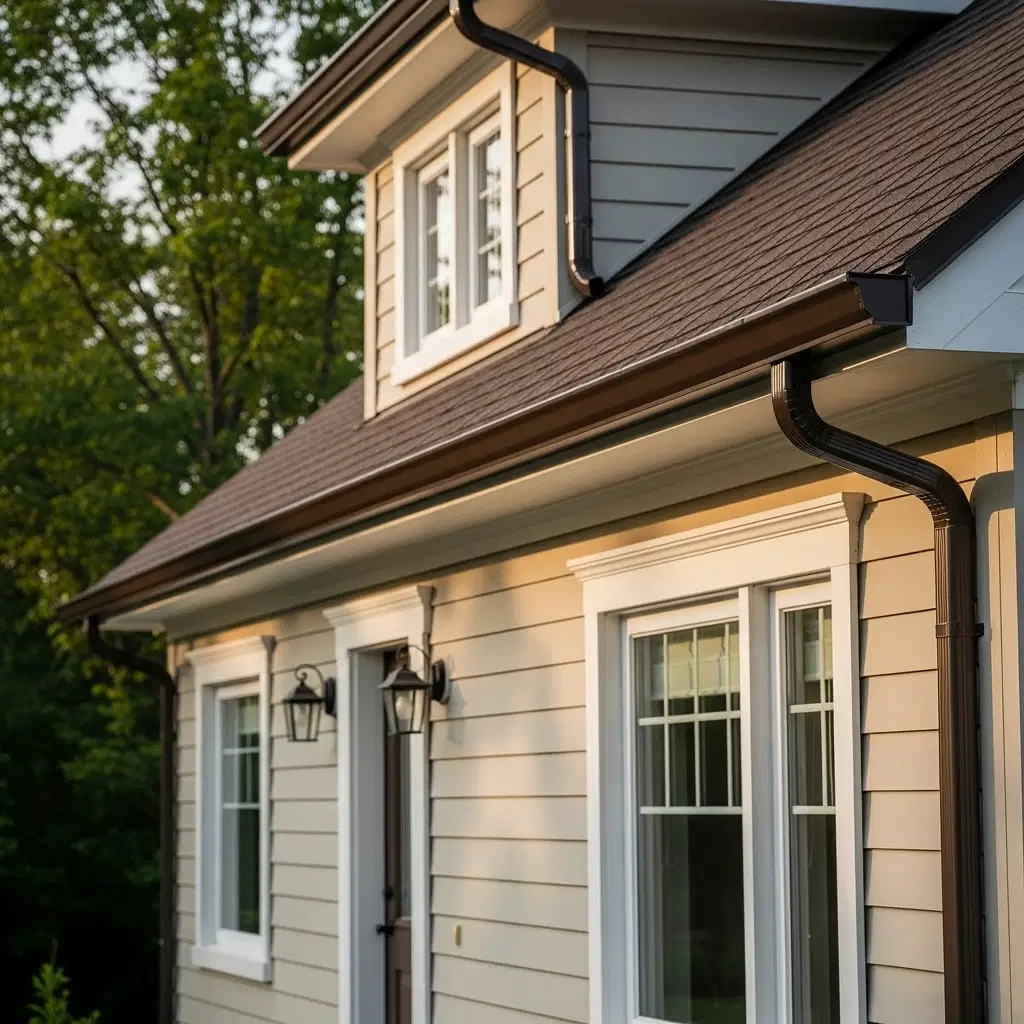
Your roof rarely fails overnight without giving you several hints first. Usually, it provides visual cues that its lifespan is coming to an end. Understanding the warning signs your roof needs full replacement is crucial for protecting your investment before small leaks turn into major home renovations.
First, consider the overall age of your roof. Most standard asphalt shingle roofs last between 15 and 20 years depending on the local climate and maintenance. If your home is approaching this milestone, it is wise to start paying much closer attention to its condition. Keep an eye out for shingles that are curling at the edges, cracking down the middle, or missing entirely. You might also notice an accumulation of coarse, dark granules in your gutters when you clean them out; these granules protect the asphalt from the sun, and their loss means the shingles are rapidly nearing the end of their useful life.
Another major red flag is any sign of a sagging roof deck. A droop in the roofline often indicates that moisture has penetrated the water barrier and is actively rotting the underlying structural boards. Inside your home, you should also be vigilant. Water spots on your ceiling, bubbling paint on your upper walls, or a persistently musty smell in the attic are clear indicators that water is getting past the exterior defenses. If you go up to the attic during a bright day and see daylight peeking through the roof boards, that is a definitive sign that the structure is compromised and requires immediate professional attention.

How to Inspect Roof for Storm Damage Safely
After a severe weather event, it is completely natural to worry about the state of your home. Knowing how to inspect roof for storm damage can help you catch localized issues before they become major headaches. However, safety should always be your top priority. We always recommend performing your initial inspection from the ground using a pair of binoculars rather than climbing a ladder yourself.
Scan the roofline for missing shingles, dented metal flashing around the chimney, or areas where the surface looks suddenly uneven. You should also walk your property and check your yard for debris that may have blown off during high winds. Do not forget to inspect your gutters and downspouts for dents, as well as your siding for collateral hail damage. If you spot just one or two damaged shingles or a loose piece of flashing, you might only need some small general repairs. Minor fixes are completely normal after heavy storms and can easily extend the life of your roof if addressed promptly.
However, if you suspect extensive damage, it is highly recommended to bring in a licensed, bonded, and insured professional. In our region, it can sometimes be tempting to hire an uninsured handyman who knocks on your door offering a quick, cheap fix. But working with a fully licensed general contractor guarantees that your property is protected, that proper permits are pulled, and that the workmanship will genuinely hold up to the next big storm.
Steps to Take When Planning Roof Replacement
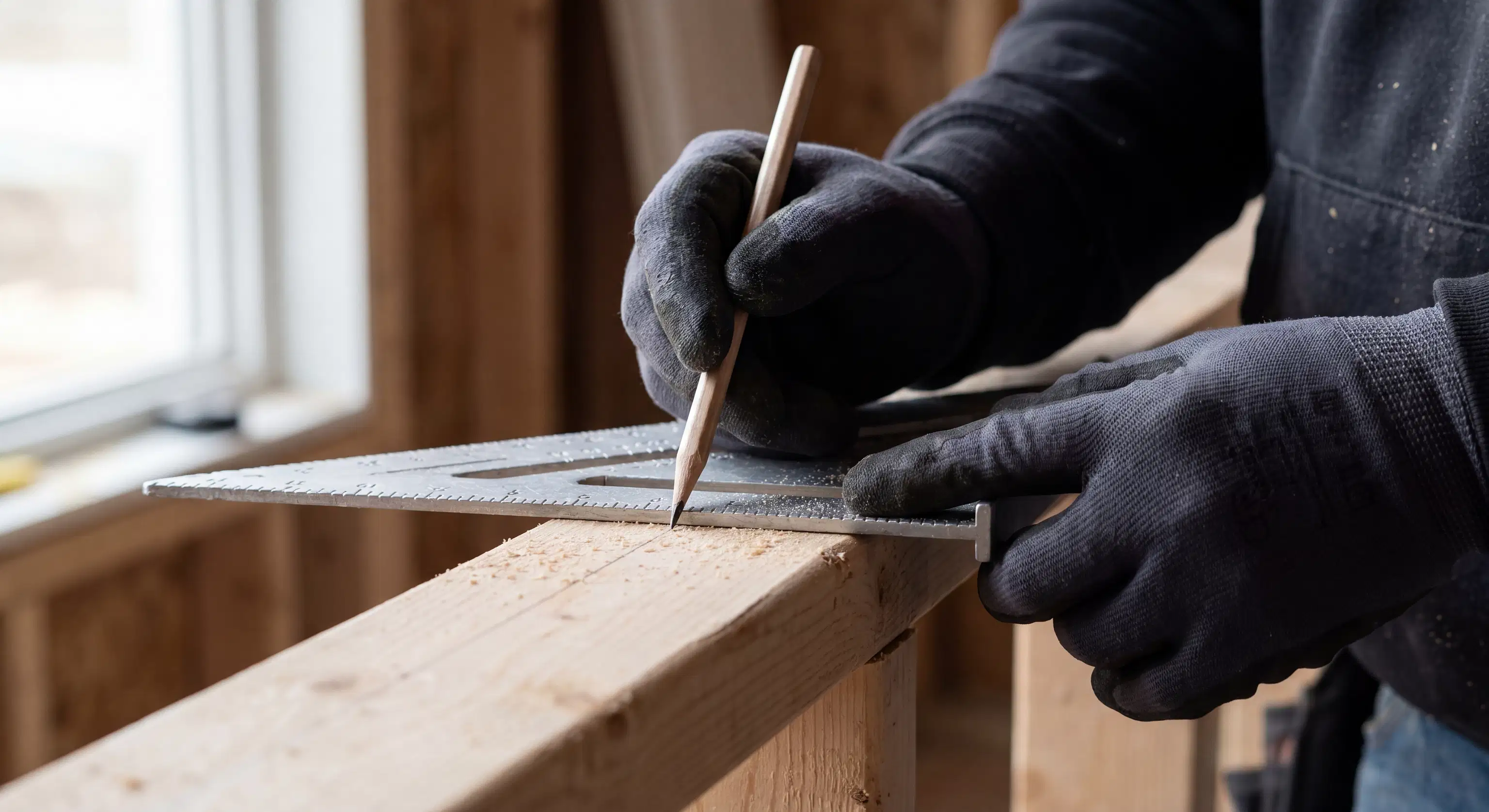
If the damage is extensive or the roof has simply reached old age, moving forward with a full replacement is your most cost-effective option in the long run. There are a few key steps to take when planning roof replacement to ensure the project goes smoothly and stays firmly within your budget.
First, prioritize finding a contractor who offers transparent communication and clear, detailed estimates. Material costs can fluctuate, so you want a local professional who provides an accurate breakdown of the expenses involved from day one. This should cover the removal of the old materials, disposal fees at local facilities, the installation of the new underlayment, and the shingles themselves. A reliable, comprehensive estimate prevents unexpected financial surprises once the project is already underway.
Next, consider the materials you want to use. We often recommend high-quality architectural shingles or durable metal roofing that can comfortably withstand the high winds and heavy rainfall typical of our region. Modernizing your roof with newer materials can also drastically improve your home's energy efficiency, which is a significant benefit when cooling your home during our hot, humid summers.
Finally, make sure you understand the project timeline and how the crew plans to keep your property clean. A professional team will respect your space, ensure landscaping is protected, and leave the site spotless at the end of each day.
If you are noticing the warning signs and think it might be time for an upgrade, reach out to a trusted team that understands local building codes and regional weather patterns. At A&J Pro Services LLC, we are deeply committed to providing top-tier roofing services tailored to the specific needs of homes in Newport and the surrounding East Tennessee communities. Contact us today to schedule a comprehensive evaluation, and let our experienced team help you protect your home for decades to come.